
Every challenge is different. So the approach should be too.
I don’t arrive with a predetermined methodology or a solution I’ve already decided you need. I start by understanding the challenge, what’s really happening and what you want to achieve.
From there, we agree what needs to happen, who needs to be involved and how we’ll work together to make the change happen.
01Understand what’s really happening.

The numbers, reports and board packs give you a starting point. But they don’t always tell you the whole story. I get close to the people, customers and processes involved — listening, observing and asking questions to understand what’s really happening.
Sometimes the answer isn’t in another report. It’s in a conversation with the person doing the job.
I want to understand how the operation works in practice — where things flow well, where they don’t and what is getting in the way of delivering the outcome you want.
02Challenge what you think you know.
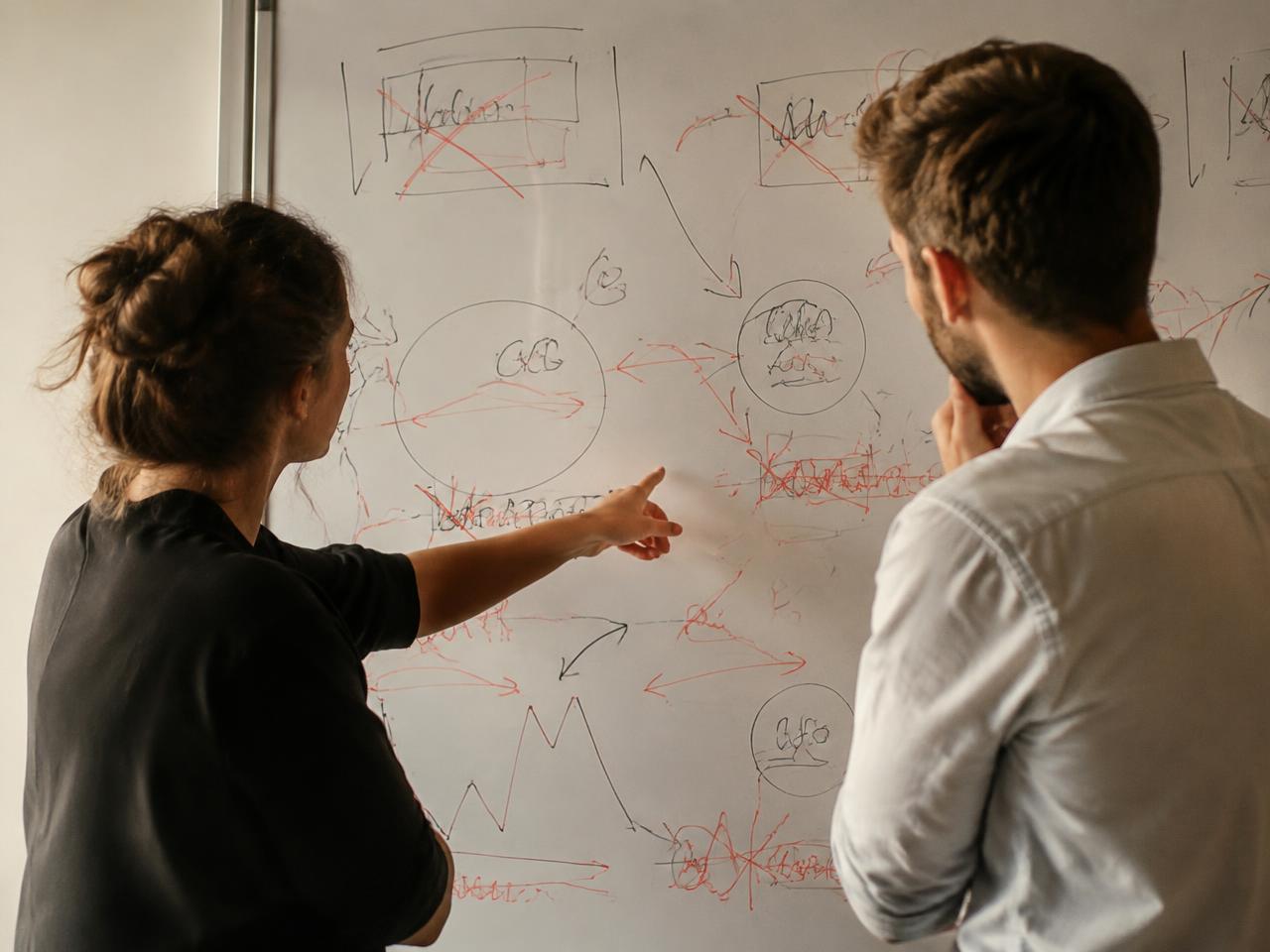
Once we understand what’s really happening, we can challenge the assumptions behind it. Sometimes the issue isn’t where you first thought it was — and sometimes the obvious answer isn’t the right one.
I’ll ask the difficult questions, test the thinking and challenge where I believe there’s a better way forward — or even a quick win.
The aim isn’t to challenge for the sake of it. It’s to make sure we’re solving the right challenge, focusing effort where it can make a real difference and not creating work that doesn’t need to be done.
03Agree what needs to happen.

There is no predefined methodology or answer. Every business, customer and challenge is different, so the approach needs to be right for you.
Once we understand the challenge and have tested the thinking, we agree what needs to happen — together.
That might be a quick change that can make an immediate difference, a bigger piece of work that needs to be planned properly, or a decision about what not to do. The important thing is that we agree the priorities, the outcome we’re trying to achieve and what success looks like.
04Engage your people.

Presentations don’t deliver change. People do.
Once we know what needs to happen, the people who will deliver the change need to understand why, have the opportunity to shape it and take ownership of making it happen.
I work alongside your people — listening, explaining the why, challenging where needed and bringing them on the journey. Because lasting change isn’t something you present to people. It’s something you create with them.
05Make the change happen.

This is where strategy becomes action. We work alongside your team to put the agreed changes into practice, staying close to the work and tracking what is happening against the outcomes we’re trying to achieve.
We don’t wait for a six-month review to find out whether something is working. We monitor, learn and adjust as we go. If something can be changed quickly and make an immediate difference, we’ll do it. If it needs more time, we’ll stay focused on what is needed to make it work.
The focus is on making a meaningful difference — not creating activity for the sake of it.
06Move on.

The goal isn’t to keep me around. It’s to make sure the business can keep moving without me.
When the change is embedded and your team can take it forward, my job is done.
The change should belong to your business, not to me. I’ll make sure the thinking, knowledge and new ways of working are understood by the people who need to carry them forward.